We hear the word Social Security as a single word (socialsecurity)–– a thing that provides a stipend for individuals who have left the workforce. But the word is really–– Social, Security–– two words separated by a comma, disguised as a clever pyramid scheme, paid into by those still working for those who are not. It’s a beautiful thing, a thing that should be taught in schools that if you really study, apply yourself, work efficiently, gain skills, mentor others to take over your skills, you could then reap the benefits and a nice lifestyle while you still possess the mental faculties to enjoy it. “Youth is wasted on the young,” George Bernard Shaw.
But there is a storm a’ com’in, and that storm is something I call, Protonaiche (The first artificially intelligent robots). We are hearing more each and every day as the push for A.I. generated product is released. But before I delve into this, I’m going to take you down an unscientific, un-anthropological rabbit hole as to why kingdoms of the Middle Ages waned and withered away. It is not the first time, nor will it be the last.
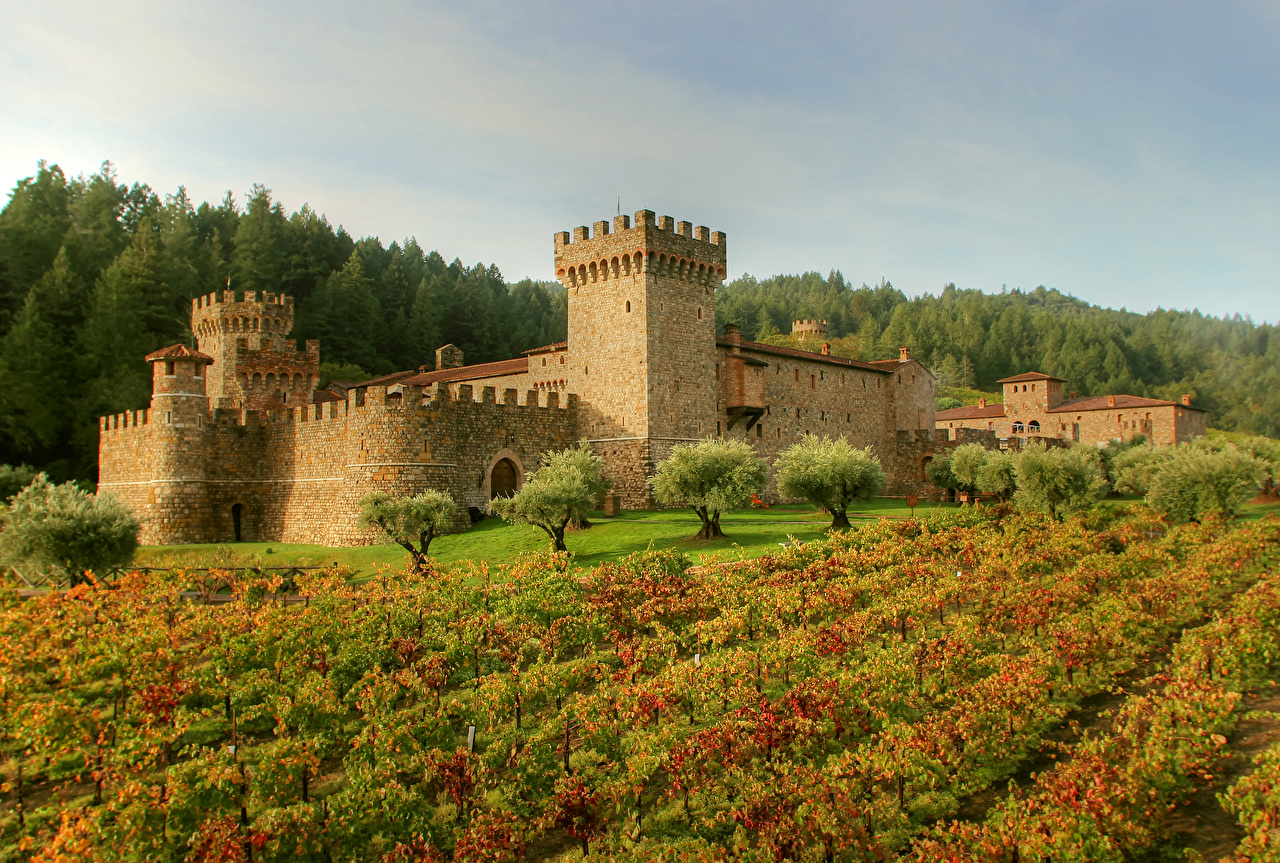
Picture a castle surrounded by curated fields nestled up against verdant mountains, where livestock roam, smoke from inns advertise for the weary traveler, wools and leathers are woven and stretched and goods are abundantly traded. And at the center of it all, a castle to serve as a safe haven for subjects against warring neighbors, paid for by a mere tax to the lords, ensuring everything has a place and order is observed. This model worked well until enlightenment kicked in–– a movement that began in the 17th & 18th centuries that gave rise to ideas, innovation and individualism–– challenging the legitimacy of absolute monarchy. This was the beginning of automation–– the precursor of Protoniche–– the need to replicate the demands of goods by improving the process, And those who could generate a consistent product, more quickly, prospered.
I have listened to many brilliant futurists talk about how A.I. and Robotics will free us from the labors of work so we will be free to explore the consciousness of the universe to figure out what it is that we are. On one level, I am excited for this brave new world and what it promises on paper, but if Protonaiche frees us from the mundane, who is paying taxes and nourishing Social, Security? A.I powered Robots do not need to be paid, given vacation, sick leave, child care, nor do they need a home to live in. Nor do they buy goods–they wear the same thing day in and day out; they work 24/7 and never complain. When robots retire they get turned, off.
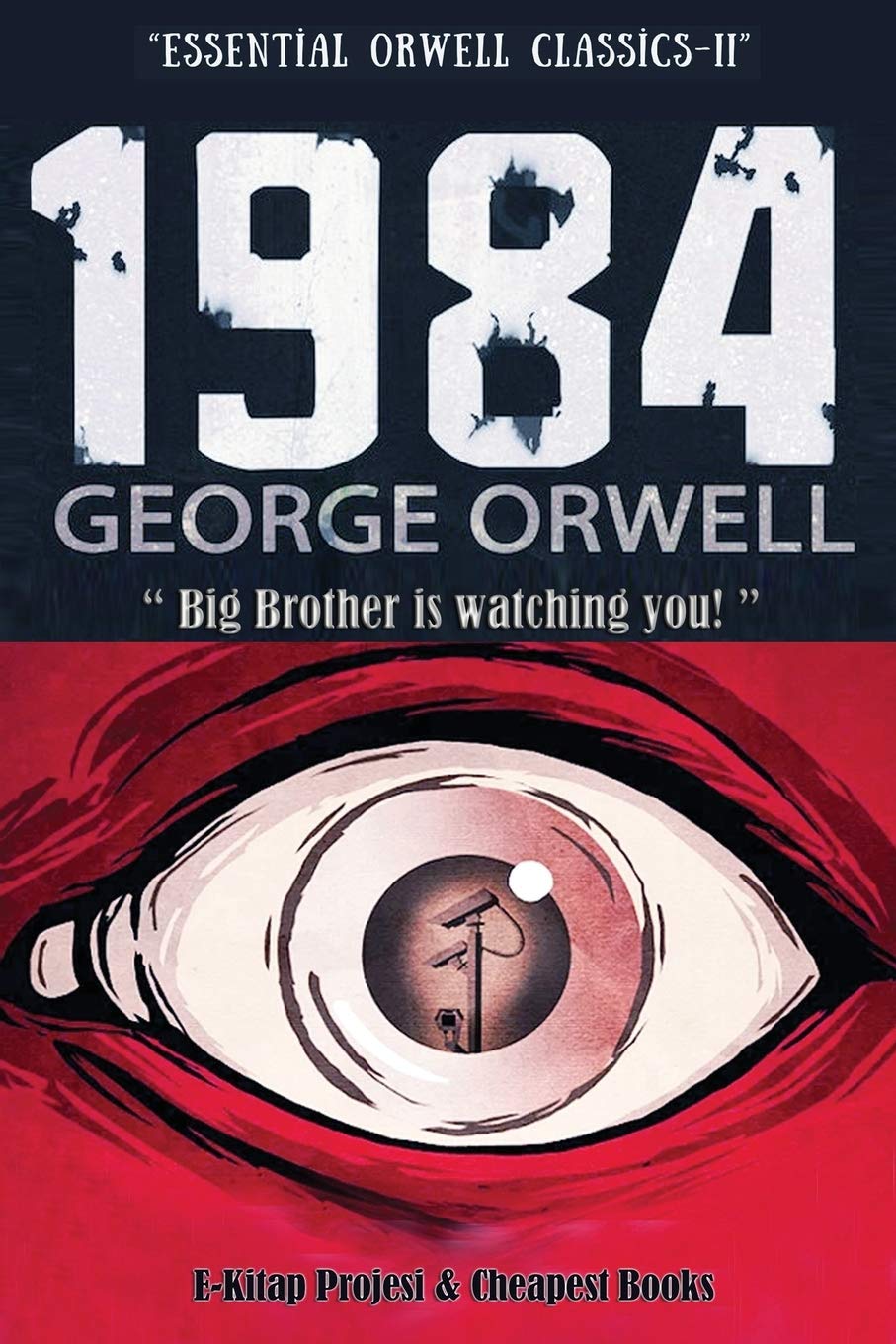
Society has been lulled into complacency over the past century, but some of us have awakened our inner Winston Smith (protagonist of 1984) to realize we have been living in modern Kingdoms, where our Lords have been raising our taxes over and over, brainwashing us with hate & fear through their tentacles of social media to keep us inside the castle walls and focused on each other rather than the man in the high castle (Philip K. Dick).

However, in addition to re-entering a new phase of enlightenment, unbeknownst to our Lords is that Protonaiche will accelerate decentralization–– the opening the gates to the castle. I can’t help but think that Neal Stephenson’s 1992 novel, Snow Crash, is the reality we will face, where nations dissolve and are replaced by entities, just like Mr. Lee’s Greater Hong Kong with franchulates world-wide. Where society becomes a free-for-all of bartering and trade, of which there will be very little time for a person to enjoy the day-to-day freedoms of life. We are well on our way for each drop of a Wal-Mart, Dollar General, McDonalds, or a US military base throughout the four corners of the world, we are establishing a franchulate, where once inside those walls the local laws are observed and adhered to.
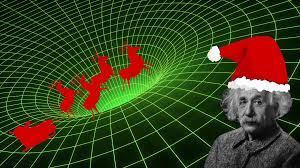
What can I say? I love Sci-fi because it does not follow the laws of time we are familiar with. It’s like how Santa can deliver gazillions of presents around the world, in one night. To achieve this feat, he is obviously not traveling in the same dimension of time that we perceive.


 David Nadas