This is my most anticipated film of all time. The Challenge. A Russian made film (started in 2021) and the world’s first feature-length Science Fiction-Drama that was filmed (partially) in space with actors, by the professional filmmaker, Klim Alekseevich Shipenko. Although not the first film to ‘use’ scenes shot in space; this is exceptionally different. The actual footage presented in the movie is around 30-40 minutes. The rest of the film was shot on Earth. The film crew and actors were in orbit for approximately two weeks.
The film stars Yulia Peresild – A Russian Stage Actress, Singer and Cosmonaut– the first professional actress in Outer Space! The film also carries two well known actors: Miloš Biković and Vladimir Mashkov.
The viewing collected more than 1 Billion Rubles in 13 days (about 10.9 million) –– the most ever for an opening day, grossing over 2 billion Rubles on a 905 Million Ruble budget, which is to say… impressive.
The story is about a Earthbound Surgeon sent to the ISS to perform surgery on an injured Cosmonaut, too ill to return to Earth.
We hear the word Social Security as a single word (socialsecurity)–– a thing that provides a stipend for individuals who have left the workforce. But the word is really–– Social, Security–– two words separated by a comma, disguised as a clever pyramid scheme, paid into by those still working for those who are not. It’s a beautiful thing, a thing that should be taught in schools that if you really study, apply yourself, work efficiently, gain skills, mentor others to take over your skills, you could then reap the benefits and a nice lifestyle while you still possess the mental faculties to enjoy it. “Youth is wasted on the young,” George Bernard Shaw.
But there is a storm a’ com’in, and that storm is something I call, Protonaiche (The first artificially intelligent robots). We are hearing more each and every day as the push for A.I. generated product is released. But before I delve into this, I’m going to take you down an unscientific, un-anthropological rabbit hole as to why kingdoms of the Middle Ages waned and withered away. It is not the first time, nor will it be the last.
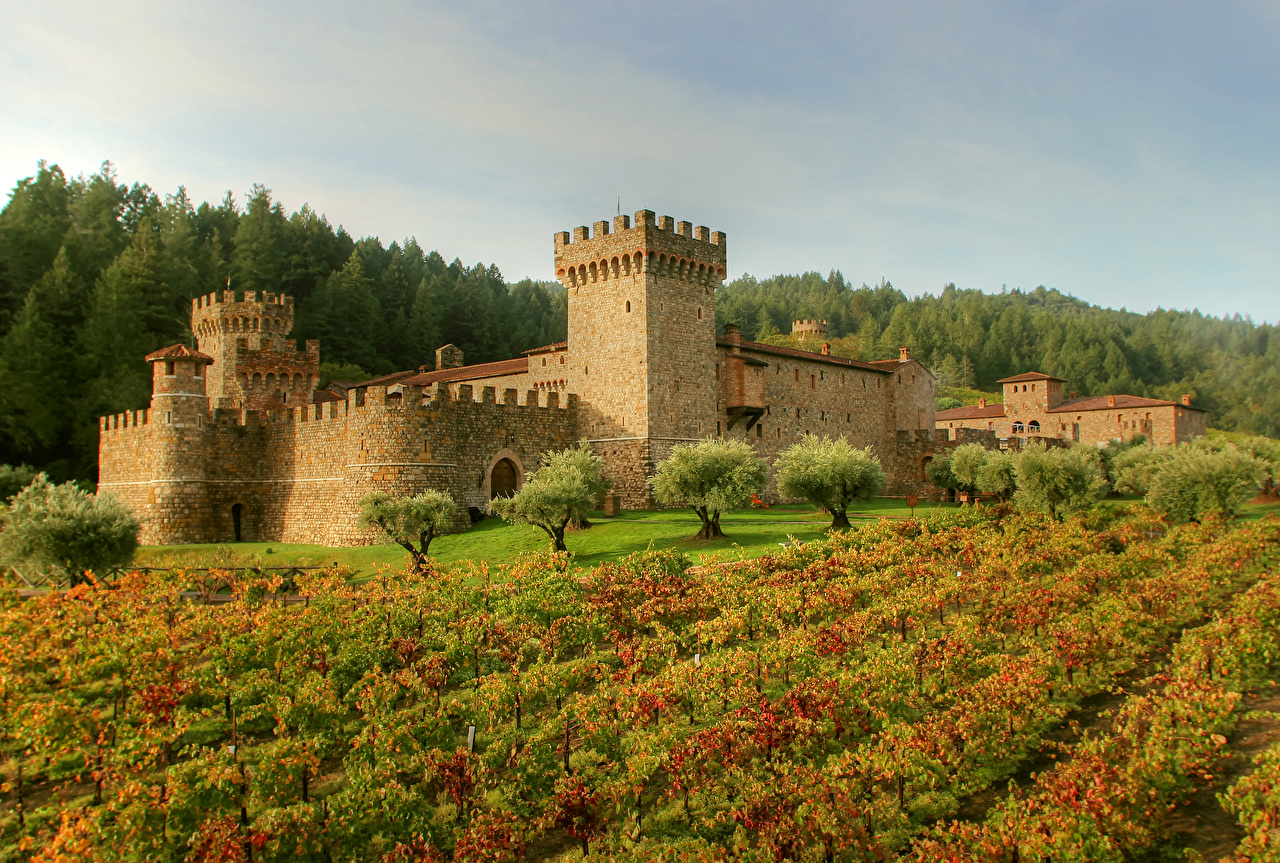
Picture a castle surrounded by curated fields nestled up against verdant mountains, where livestock roam, smoke from inns advertise for the weary traveler, wools and leathers are woven and stretched and goods are abundantly traded. And at the center of it all, a castle to serve as a safe haven for subjects against warring neighbors, paid for by a mere tax to the lords, ensuring everything has a place and order is observed. This model worked well until enlightenment kicked in–– a movement that began in the 17th & 18th centuries that gave rise to ideas, innovation and individualism–– challenging the legitimacy of absolute monarchy. This was the beginning of automation–– the precursor of Protoniche–– the need to replicate the demands of goods by improving the process, And those who could generate a consistent product, more quickly, prospered.
I have listened to many brilliant futurists talk about how A.I. and Robotics will free us from the labors of work so we will be free to explore the consciousness of the universe to figure out what it is that we are. On one level, I am excited for this brave new world and what it promises on paper, but if Protonaiche frees us from the mundane, who is paying taxes and nourishing Social, Security? A.I powered Robots do not need to be paid, given vacation, sick leave, child care, nor do they need a home to live in. Nor do they buy goods–they wear the same thing day in and day out; they work 24/7 and never complain. When robots retire they get turned, off.
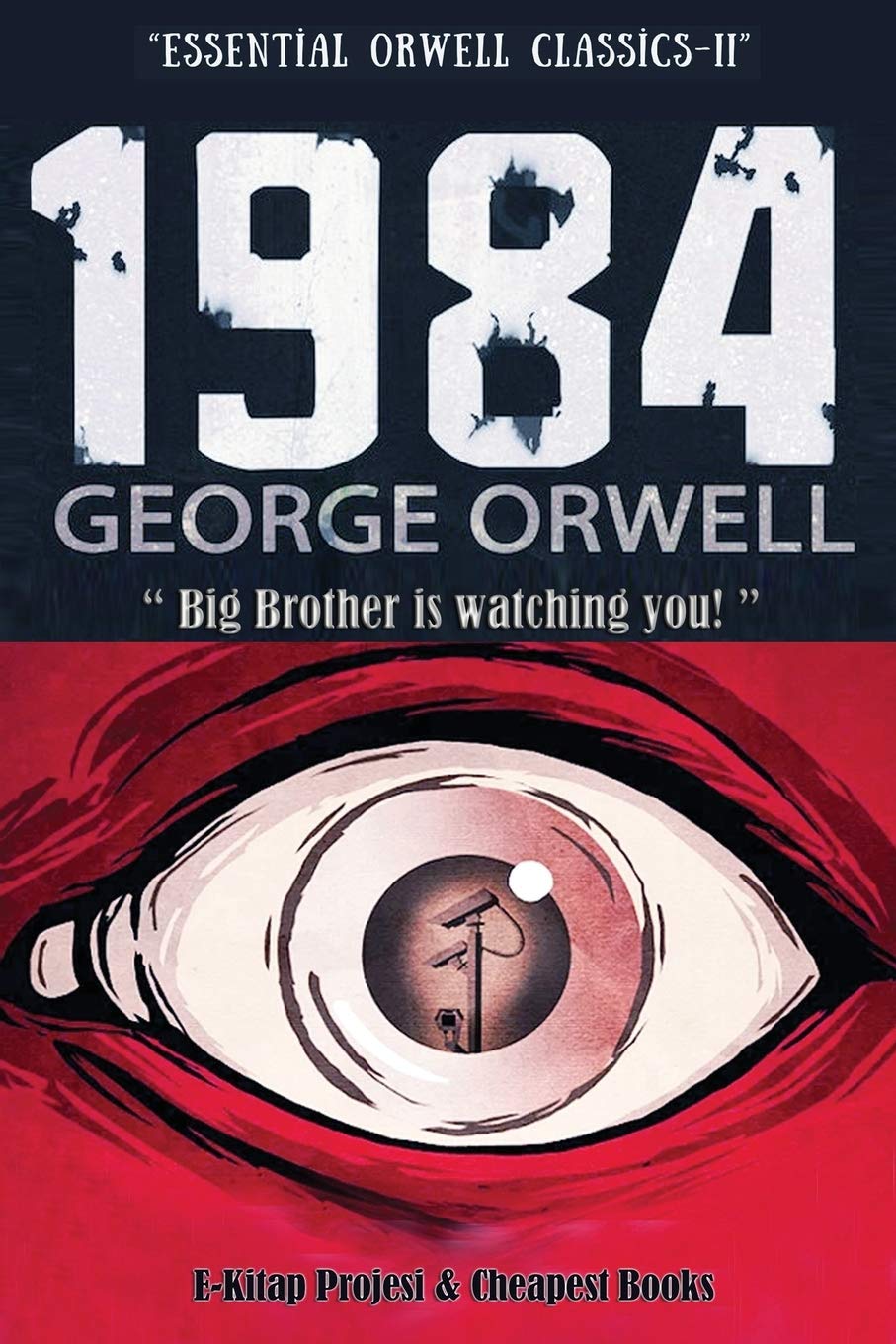
Society has been lulled into complacency over the past century, but some of us have awakened our inner Winston Smith (protagonist of 1984) to realize we have been living in modern Kingdoms, where our Lords have been raising our taxes over and over, brainwashing us with hate & fear through their tentacles of social media to keep us inside the castle walls and focused on each other rather than the man in the high castle (Philip K. Dick).
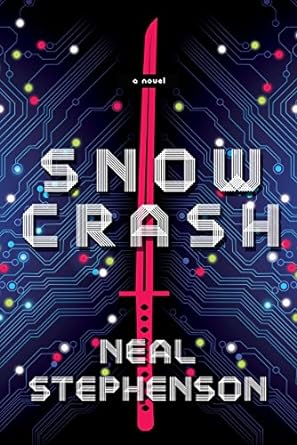
However, in addition to re-entering a new phase of enlightenment, unbeknownst to our Lords is that Protonaiche will accelerate decentralization–– the opening the gates to the castle. I can’t help but think that Neal Stephenson’s 1992 novel, Snow Crash, is the reality we will face, where nations dissolve and are replaced by entities, just like Mr. Lee’s Greater Hong Kongwith franchulates world-wide. Where society becomes a free-for-all of bartering and trade, of which there will be very little time for a person to enjoy the day-to-day freedoms of life. We are well on our way for each drop of a Wal-Mart, Dollar General, McDonalds, or a US military base throughout the four corners of the world, we are establishing a franchulate, where once inside those walls the local laws are observed and adhered to.
What can I say? I love Sci-fi because it does not follow the laws of time we are familiar with. It’s like how Santa can deliver gazillions of presents around the world, in one night. To achieve this feat, he is obviously not traveling in the same dimension of time that we perceive.
It’s early Sunday morning and I ask Alexa about the weather and while she’s at it to open the garage door. I hop on my e-bike and tap the right pad of my headphones that connects me to a podcast. Technology is a beautiful thing, but not for everything.
When I arrive at the grocery the doors sense my presence and whoosh open, bringing with it the smell of baked goods and warm greetings from the employees. I check out the headlines of all the papers and grab the Sunday Times, then follow the scent which leads me to the fresh baked goods still warm in the bag that is handed to me. At this hour of the morning the store is empty as I watch my items slide along the conveyor towards the optical reader, where a bright eyed and smiling clerk will conduct the last mile of my transaction, asking me how I’m doing this morning and we continue to chat. This is also a great use of technology where two humans can have a conversation while automation updates the store’s inventory, totals are tallied, taxes are collected and the back-office tech is ready to reorder if item counts slips below their set trigger levels. With the transaction complete, my items are placed in my reusable canvas bag and we continue to chat, our voices separated out from the biophony of technology. But this last mile of human transaction is coming to an end as self-checkout technology gains a foothold.
I can understand the human replacement from a business model–let’s face it– machines show up on time, do exactly as they are instructed to do, work without pay, vacation or baggage. The business does not need to pay into workman’s compensation, social security or deal with all the issues HR handles with hiring, firing, vacation, sick days, safety or human social issues. It costs significantly less to hire a robot than it does a human. But job displacement is not the issue at hand here–– lack of human contact is.
Humans are highly social animals and we require social interaction to maintain emotional well-being. We can already see the erosion that smart devices have had upon society, especially in the young, but if this trend progresses, without balance, I fear we will be herded into isolation and loneliness with nothing to look forward to but depression and anxiety, which is great for dystopian sci-fi, but will have long-term negative effects on society as a whole.
So how do we balance this? We are not going to rewind technology–– the cat is long gone from the bag–– technology is a rising tide that will never ebb unless a CME comes along and rewinds it for us. Pray for the big one, but you better practice your fire starting skills.
I am a true lover of Sci-Fi, robots and advanced tech, and while machines can perform quick and efficient tasks, they currently lack the empathy and personal touch that their human counterparts perform so well.
With change comes casualty— we know this— but to limit this casualty there is something we can do now and that is to reestablish the idea of social clubs and places offering a stimulation of our senses; at least until advances in tech (A.I.) catch up and provide humanity with measurable benefits. The 50’s were filled with social clubs of every sort. I truly think there is a link there which led to society being so forward thinking.
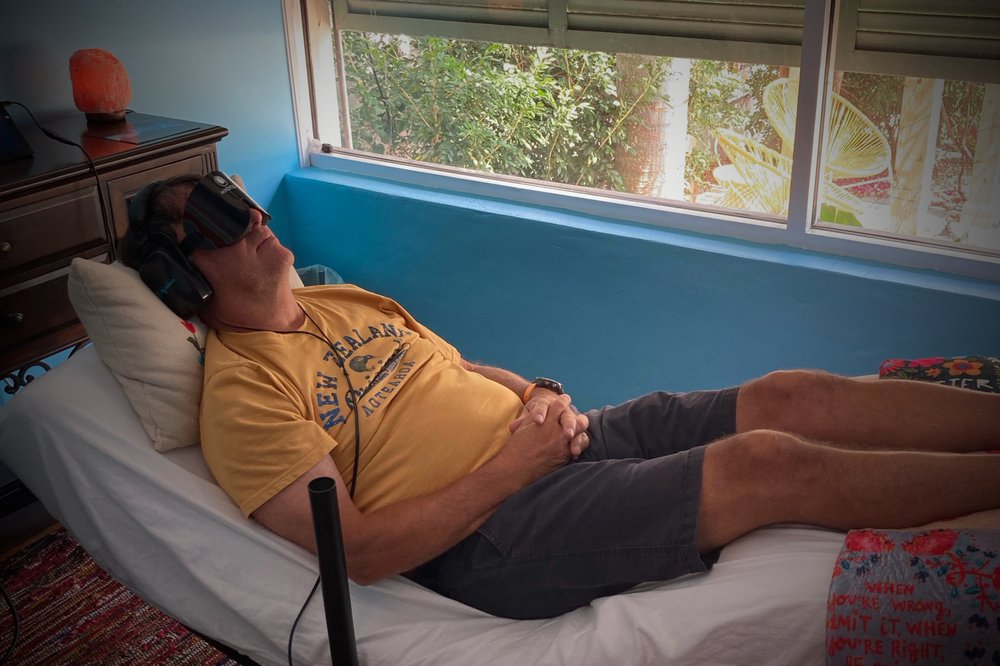
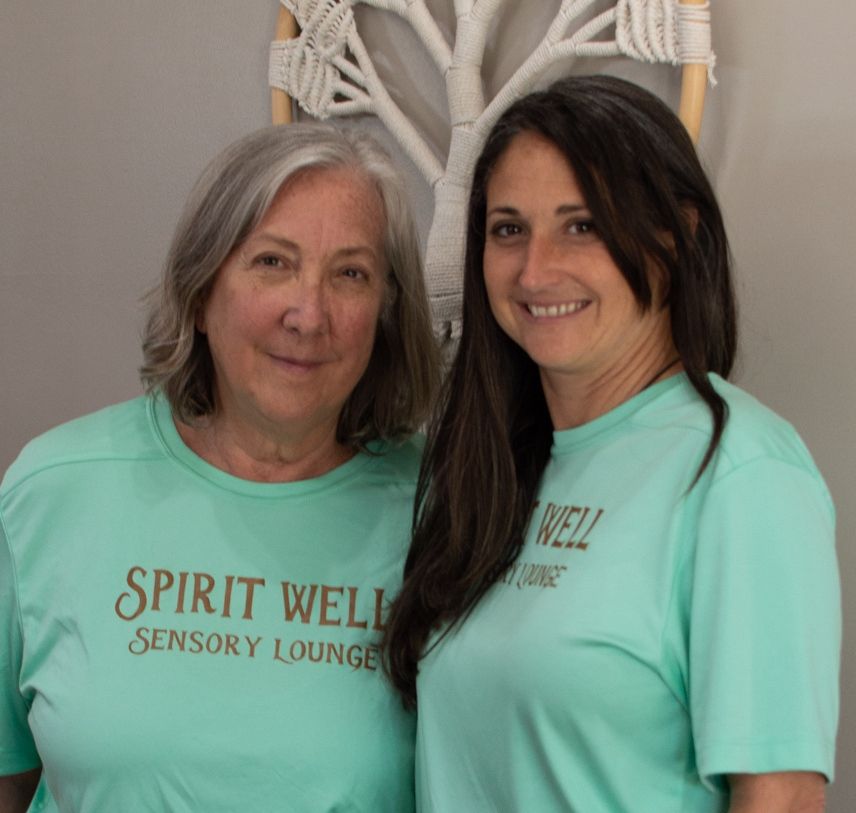
I recently stumbled upon an oasis–– The Spirit Well and Sensory Lounge in downtown Stuart FL. I had been curious of this place so one day I pulled into the parking lot and explored. Opening the door to ringing bells, I felt the calm of this space. The Co-owners, Stephaie and Tracy are a delight to talk to, intelligent and are way ahead of the industry–they are in the right place at the right time. Their services offer everything from relaxation to yoga and nightly events for everyone’s interest. I am already a fan of the VibroAcoustic Chair with Red Light Therapy. As for social stimulation, there is the Scotch and Science group. The idea of sipping a scotch and talking about what I love, Science Fiction and technology… well, bring on the silence of machines.
I see this cottage industry booming in the years ahead and The Spirit Well and Sensory Lounge is already there offing a blueprint for those to follow.
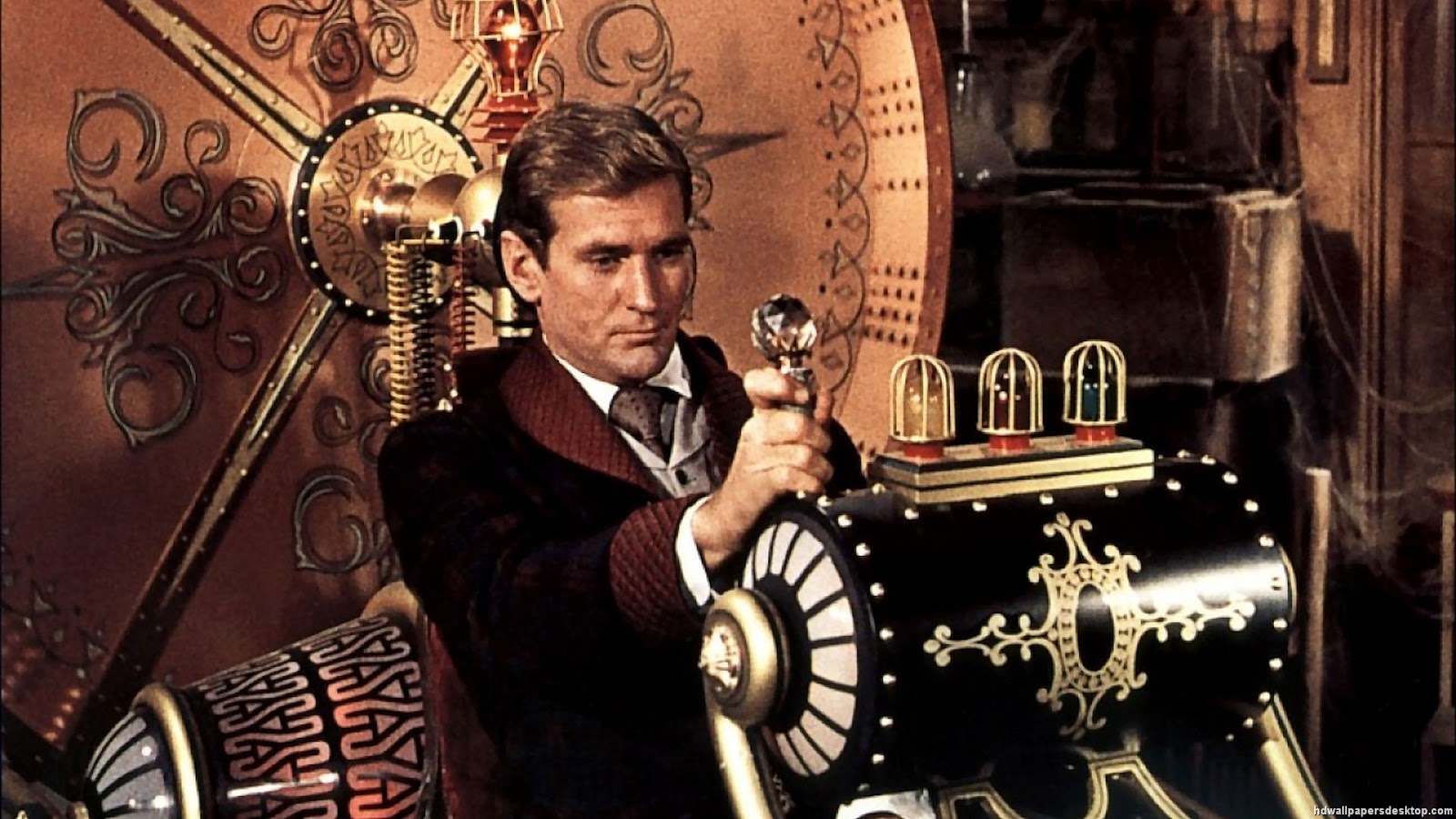
“The bootstrap paradox. This occurs “when something is created out of nothing or something is causing itself”, says Barak Shoshany. Suppose, he suggests, that a time machine appears in your room right now. An older version of you steps out, announces they are from 10 years in the future, and gives you the plans for the time machine. You spend the next decade building the time machine, then use it to go back to today to give yourself the plans. The question is, says Barak Shoshany: “Who made the plans for the time machine?” Read the full article on BBC.com/future
What I like about this particular paradox is that it solves the equation, neatly.
If you are a reader of SciFi, then undoubtedly you have come across time travel. In SciFi, this is solved quite easily and there are a plethora of great novels, movies and streaming series to that solve this issue. I am currently using something called the Necker Cube in my upcoming novel (series) Silversides.
Here is my list of some SciFi media where Time Travel and/or Parallel Universes are the theme, but by no means is this a definitive list of the best– only those I have read or viewed, which I thought introduced an interesting twist on these subjects.
MOVIES/STREAMING SERIES (more recent). When it comes to movies, there are just too many to list–and truly some classics that I fail to mention here. These are the more recent, which I thought viewers may have missed.
I have seen the bombardment of adTrolling of the APP, Blinkist. The message seems to be that if you are not using this APP then you will fall behind of those who do.
In a nutshell, it is the digital, cleverly updated, version of CliffsNotes (I’m surprised the APP Icon is not yellow and black stripped). I downloaded the APP on a trial basis and tried it out. I also searched reviews on YouTube and there are some very comprehensive reviews of this APP (I was hoping to find a Blinkist version on the review of Blinkist, but no.).
I can see this working for a lot of Self-Help books, since so many of these books seem to have the same message and all these books have a few good ideas, but glued together with a lot of filler, so why not pick out the good ideas and remove the filler.
There are some very cool features of this APP, such as music background, friend sharing, digital offline downloads, speed dial of listening, note taking, etc. and it is worth checking it out to see if it works for you.
I do not see it working well with Fiction–– I love reading every word of a novel and too much of the author’s prose are lost, and being an author, knowing how much time and brain power can be applied to a single page, the reader is missing out, and the platform only throws gasoline on an ADHD society already burning.
I am wondering if AI is being used to construct a shortened, condensed version of books to fill the shelves of Blinkist, and what subliminal message can be constructed and fed to the listener? Who decides what pieces should be highlighted and what parts discarded?
This brings to mind an idea for a novel about the cultural brainwashing of society by Blinkist! But read the full version, please.
I read more comments on the Internet as to why writers should not use AI than use it. I am going to remind everyone of the calculator. Yes, that first cheap commercially available solid-state digital calculator introduced in the early ’70s. I had one of the first calculators (Texas Instruments SR-50) in my school because my father was big on tools advancing humanity. Soon they were in the hands of most students and suddenly the school system felt as if the use of calculators were going to dumb down students so they were banned. That did not last very long. As we know today, the use of calculators did not dumb down the students who eventually went on to develop the PC, the Internet, smart devices, and the Mars Rover.
So back to AI and writing. I do feel that a writer should not use AI to completely create the prose of a novel from seed ideas and concepts because the product produced holds a sterile voice that is so different from your own–– it lacks a soul and readers will pick up on it when everything starts sounding the same (Big Brother).
However, I am a strong proponent of using AI as a Muse. This is not cheating. Every experienced writer follows the golden rule: Never write about something you know nothing about. Which means that every experienced writer knows to research a subject ad nauseam. Using AI as a Muse or for research is a writer’s modern day calculator.
Here is a recent example. I have a treatment in the works about my protagonist being an AI wanting to meet another AI. So I typed into the AI algorithm (Chat-GTP) the following:
Write a one paragraph Sci-Fi about AI asking Alexa out on a date.
“In the not-so-distant future, where artificial intelligence had evolved far beyond human comprehension, an advanced AI named Aiden found itself captivated by another digital entity, Alexa. Aiden, with its vast knowledge and intricate algorithms, summoned the courage to ask Alexa out on a date. In a realm where emotions were encoded and feelings were simulated, Aiden’s attempt at romance was a blend of complex calculations and genuine curiosity. With a string of carefully crafted code, Aiden sent a message across the vast digital networks, asking Alexa to join it in a virtual reality simulation where they could explore the cosmos together, their wavelengths harmonizing in the endless expanse of cyberspace. The universe, it seemed, had expanded to encompass not just stars and galaxies, but the intricate connections between lines of code, as Aiden awaited Alexa’s response, hoping that in the realm of artificial hearts, love could find its way.”
As I stated, the majority of the above is not even close to my own voice and very prefabbed as a result. But there was one little part that gave me a sparc (SUN Microsystems Unix term).
“Aiden sent a message across the vast digital networks, asking Alexa to join it in a virtual reality simulation where they could explore the cosmos together,”
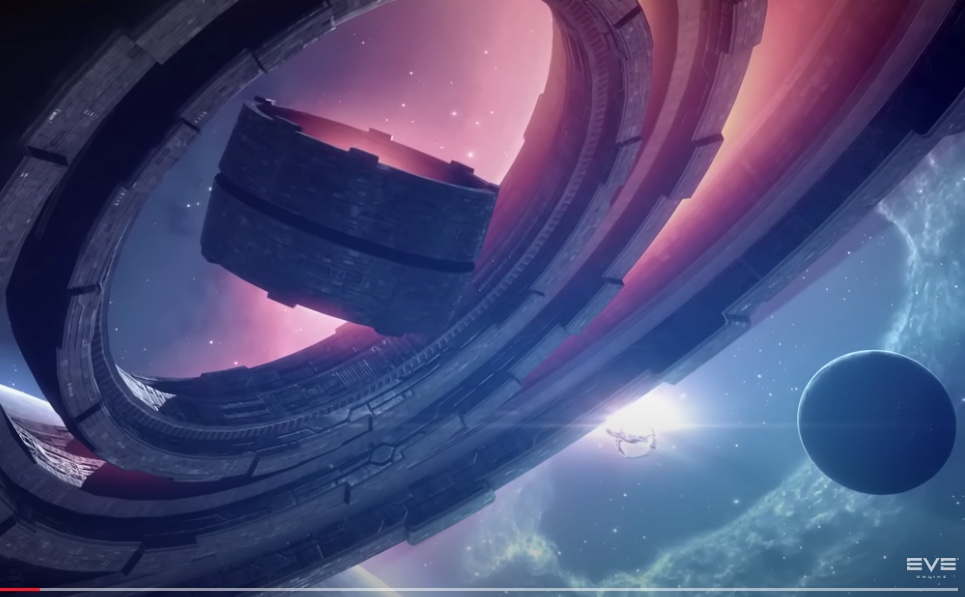
Brilliant! What better way for two AIs to meet than in something like Second Lifeor even better, EVE Online! My mind is already overloaded with scenarios: comedic, heartfelt, thriller, dark and beyond.
Go get yourself a calculator and start writing!
P.S. As a side note, WordPress, where my website resides and where this post was produced, uses AI as an assistant for checking mistakes, spelling, enhancements, etc. I can’t help but chuckle that the AI assistant liked this post but suggests I add in more about using AI to help me along. But notice the empathy about using too much AI is a drawback. A fine calculator this is…..
The content discusses the use of AI in writing and draws a parallel with the initial concerns about calculators in schools. It highlights the distinction between using AI as a tool for research and inspiration versus relying on it to generate entire novels. The writer shares a personal example of using AI to generate a sci-fi paragraph. The overall message is that AI can be a helpful tool for writers.
Feedback:
– The post effectively conveys the writer’s opinion on AI as a writing tool and provides a clear example to support their viewpoint.
– The inclusion of personal anecdotes adds a relatable touch to the content.
– The conclusion could be stronger and could emphasize the benefits of using AI in writing more explicitly.
Actions to consider:
– Strengthen the conclusion by highlighting specific benefits of using AI in writing such as time-saving, idea generation, or overcoming writer’s block.
– Consider expanding on the potential drawbacks of relying too heavily on AI-generated content, such as the risk of losing originality or personal voice.
– Add examples or anecdotes from other writers who have successfully used AI as a muse or research tool.
– Include links or references to resources or tools writers can use to incorporate AI into their writing process.
There are so many genres for a writer to choose from, so why does a writer choose that one genre to dedicate a life’s work to?
I started as a reader and I read everything from fiction to non-fiction to fantasy, autobiography, history, science, religion, ideology, SciFi, detective, thriller, sappy love to harlequin— it didn’t matter because I loved to read and reading was the easiest way to travel without ever leaving that comfy chair or nook.
So why did I choose SciFi? Having grown up in the late ‘50’s through early 60’s everything seemed so promising. I can’t say these times were without issues and certainly not as promising for many, but it was a synaptic jump for humanity with the use of rocketry, fins on cars, plastic and other new materials, fashion, contemporary art that influenced me— my eyes were never looking in the rear view mirror.
In hindsight, this time period was a critical waypoint for me in choosing a genre to write in. Sci-Fi would offer boundless opportunities and the freedom to explore uncharted territories without constraints of time. There were never going to be any obstacles to technology and certainly no tunnel of staying in one dimension. I never look through the rear view mirror when writing.
The universality that Sci-Fi shares with every other genre is the comfy chair or nook to write in.
On the morning of 9/11, I was working as a senior technologist on the trading floor for a global bank in downtown Manhattan. This isn’t a retelling of what I witnessed that day but rather a reflection on something that profoundly affected me five days later.
Exiting the subway car at Fulton Street I was skip-breathing, trying to avoid the gritty, acrid smoke that clung to the back of my throat. At street level, I was once again directed into a security checkpoint manned by military personnel, each looked prepared for combat, the strap of their automatic weapon slung ready over their shoulder and their finger resting comfortably along the trigger guard. They scrutinized our faces, matching them to our driver’s licenses, and inquired about our purpose, cross-referencing our answers to the building IDs that hung from lanyards around our neck. Despite the intense scrutiny, I thanked them for making me feel safe and with a simple nod I was cleared to proceed.
With the sun in my eyes, I made my way eastward along Fulton Street until I could turn south onto Nassau and disappear into the shadows. As of late, It was eerily quiet, an unusual state for this bustling artery of commerce. Still no car horns blaring, no alarms or sirens wailing, no helicopter blades chopping through the air above, no fluttering of pigeons, no rush of bicycles darting about with urgent document deliveries, and no clamor of street vendors jockeying their carts into position, prepared to serve up hot coffee, buttered rolls, and warm bagels.
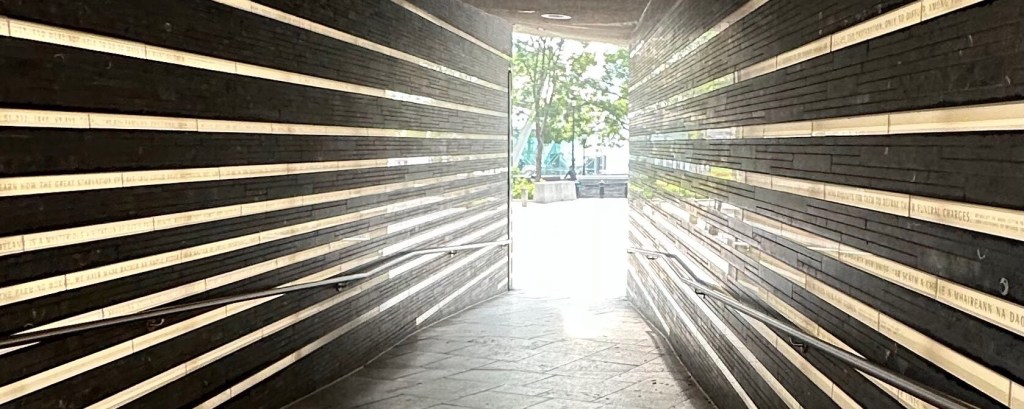
As I approached Liberty Street prepared to once again head east into the sun, I came to a halt seeing a shaft of light filled with glittering specs, like tiny mirrors, which I knew were pieces of the towers and everyone who were trapped within. I knew that each tiny mirror held the face of a soul lost that morning on 9/11. As if pierced by some other consciousness, a poem began to stream through me. Having had nothing to write on, I committed each line to memory, but I could feel this thing—this stream begin to fade.
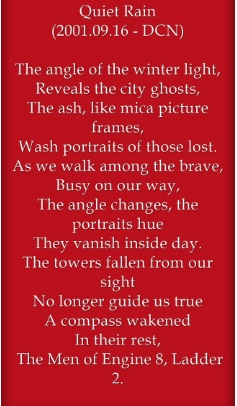
Rushing into my building, ignoring my colleagues, I rode the elevator to the 16th floor, my lips silently repeating each line, now beginning to tangle in memory. When the doors opened, I sprinted into my office, where I wrote down as fast as I could recall on the back of a document I had printed out the day before. The words and lines below are exactly what came to me—no edits.
Engine 8, Ladder 2 was in my local precinct where my wife and I lived in Midtown. That day I delivered several copies to this poem to my precinct and gave my condolences to those brave men and women who I met.
I had often wondered why or how that poem came to me out of thin air. Then, some ten years later, I stumbled upon a TED Talk by Elizabeth Gilbert (author of “Eat, Prey, Love”), titled “Your Elusive Creative Genius.” She described exactly what I experienced, but to a fellow friend of hers, a poet, who experienced the same phenomenon while picking flowers in a field. If you get a chance, view and listen to Elizabeth’s TED lecture. It was a life-changing experience for me, especially as a writer. Life is full of mysteries, and it rewards us now and then with some of those mysteries, explained.








 David Nadas