
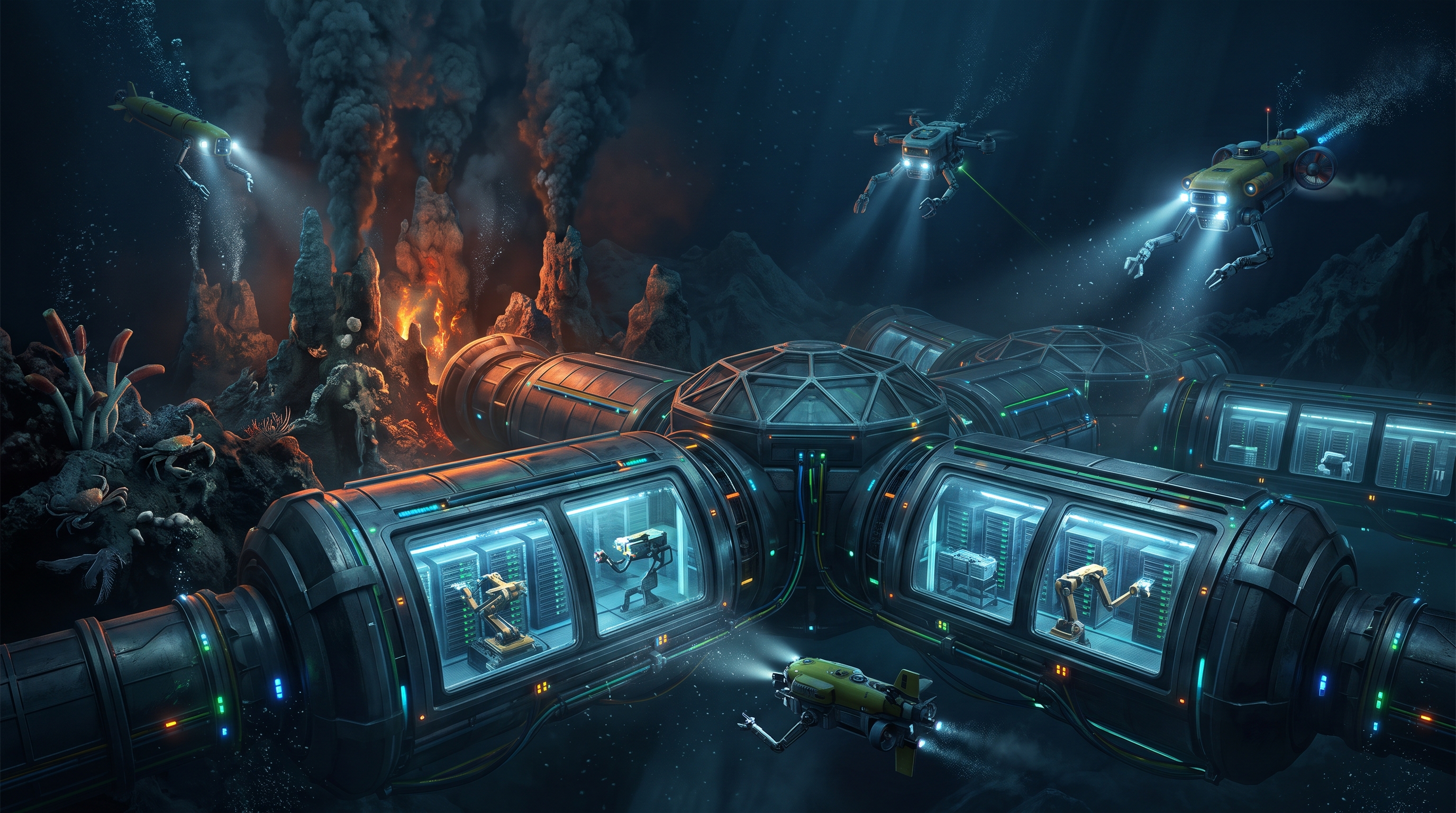
Just as Neal Stephenson’s Snow Crash offered a blueprint for the virtual world we now associate with the Internet, Peter Watts’ hard science-fiction novel Starfish (Rifter Series) may offer an intriguing glimpse into the future of another technological revolution: deep-sea data centers.
Data centers have become a major topic of discussion
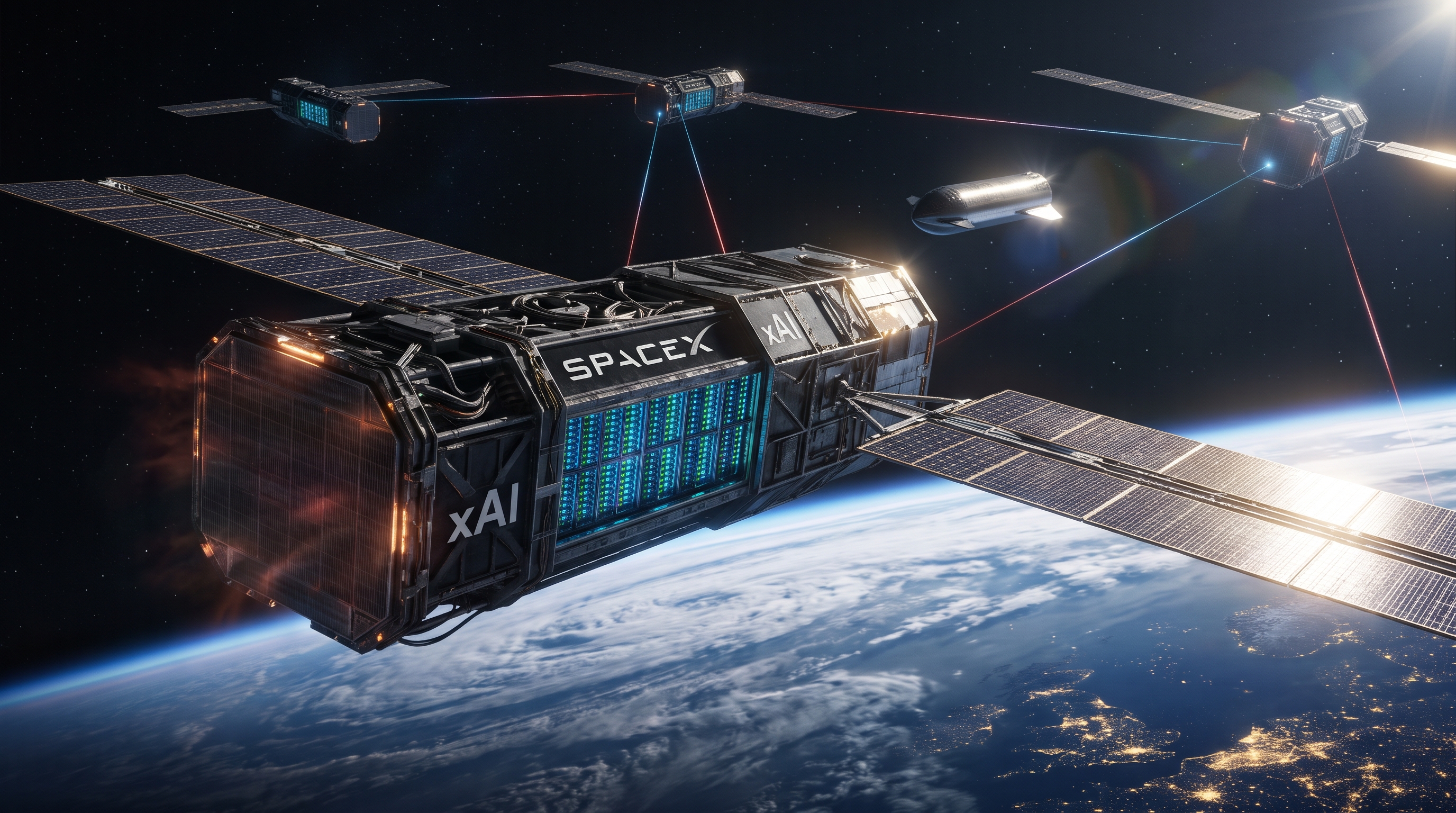
And Elon Musk has been talking about moving AI data centers into orbit, harnessing the Sun’s energy and moving some of the world’s most energy-intensive computing infrastructure off the planet.
It’s an idea I strongly support, not simply because of the computing demands of AI, but because I believe it is an essential step toward humanity becoming a spacefaring civilization. If we’re going to colonize the Moon, Mars, or eventually establish permanent human settlements elsewhere in the solar system, we’ll need more than rockets and habitats. We’ll need enormous computing capabilities, autonomous systems, communications networks, and AI infrastructure operating independently of Earth.
But after writing several posts about artificial intelligence and the enormous infrastructure required to support it, I find myself returning to science fiction once again.
This time, it’s Peter Watts’ Starfish, the first novel in his Rifters trilogy.
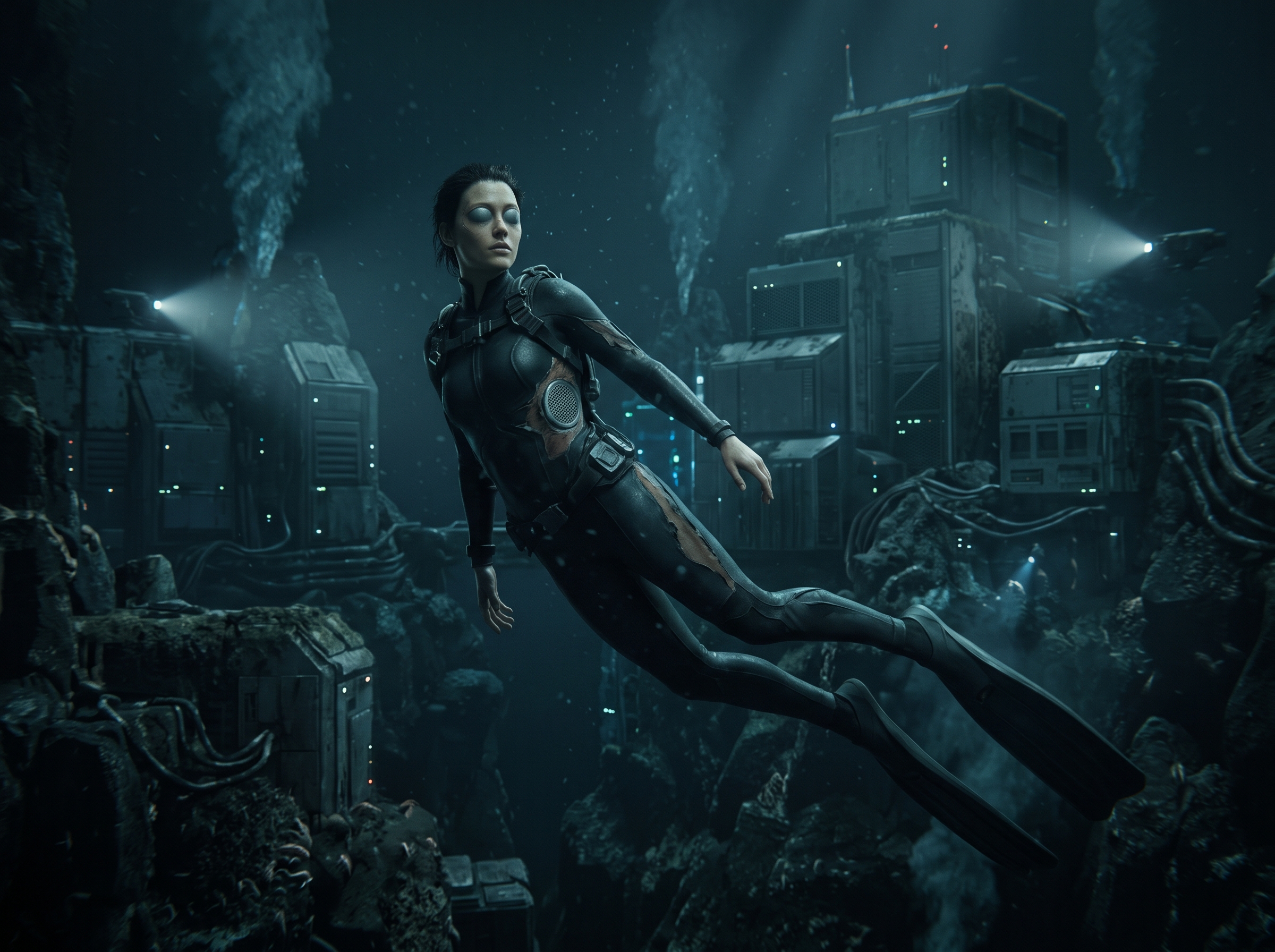
Watts created a world in which augmented humans work deep beneath the ocean surface, maintaining geothermal power infrastructure in one of the most hostile environments on Earth. The protagonist, Lenie Clarke, is a maintenance technician, or “rifter,” at Beebe Station, a deep-sea geothermal power facility situated along the Juan de Fuca Ridge in the Pacific Ocean. Her job is to maintain the turbines and infrastructure that harness geothermal energy from underwater hydrothermal vents, converting the Earth’s natural heat into electricity.
What struck me about the trilogy went well beyond its setting. It fundamentally changed how I envisioned the future of artificial intelligence, networking, and data hacking. It gave me ideas that I eventually applied to my own work in enterprise monitoring: the concept of software agents interacting with other agents, identifying problems, coordinating responses, and resolving disruptions far faster than humans staring at monitoring screens ever could. Today, we’re beginning to see those ideas emerge in autonomous AI agents.
The ocean: Earth’s natural data center environment
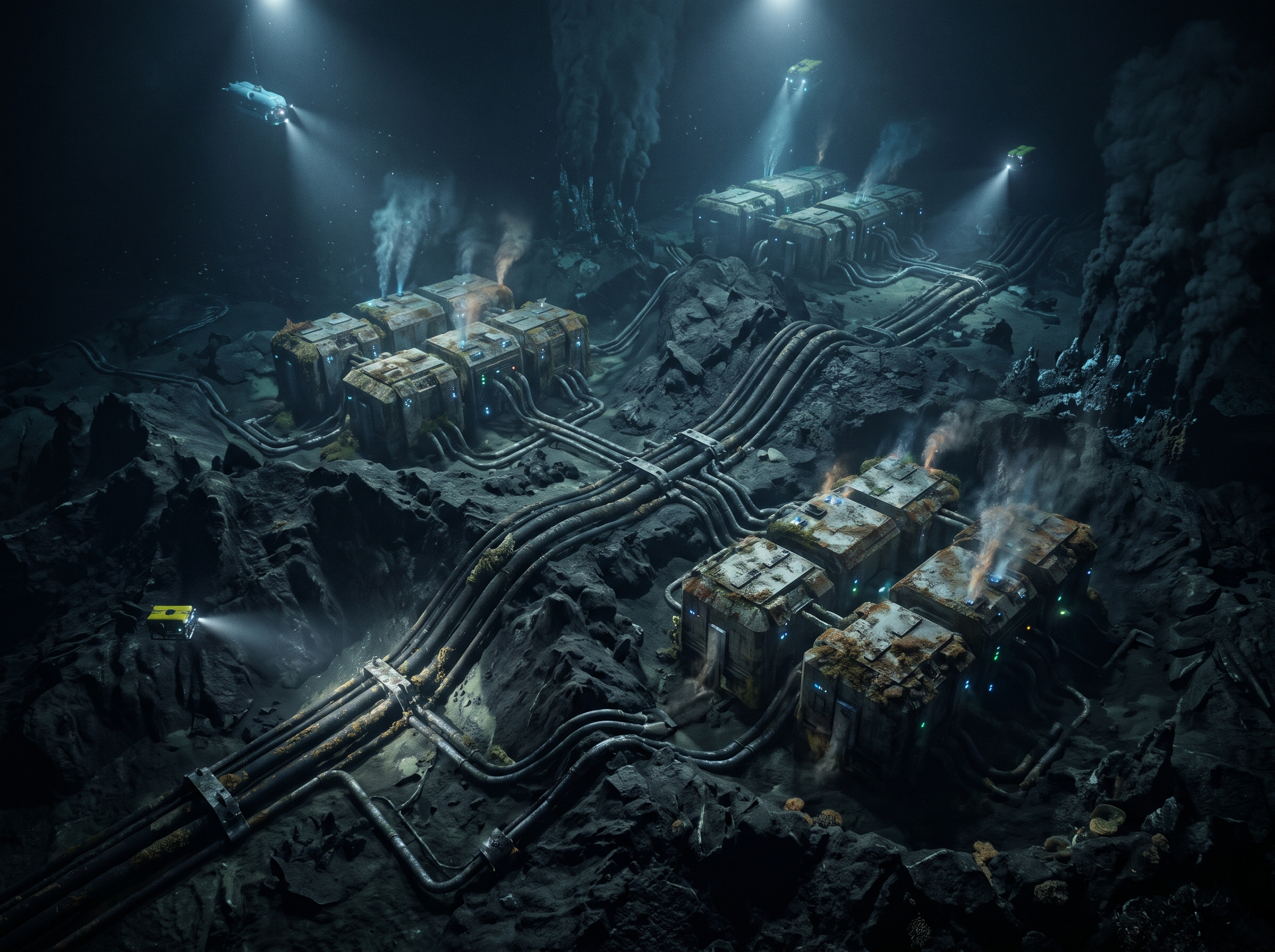
Imagine modular data centers installed on the ocean floor, connected to the mainland through subsea fiber-optic cables and powered by nearby geothermal resources. Completely contained, with unlimited cooling, power and conveniently out of site.
One of the major challenges facing modern data centers is removing the enormous amount of heat generated by their servers. At deep-ocean depths, seawater temperatures hover around 4°C (39°F). That is cold and consistent compared with the fluctuating temperatures on land.
An underwater facility could use the surrounding seawater as a heat sink through a closed-loop heat-exchange system, providing a natural means of transferring heat away from the servers.
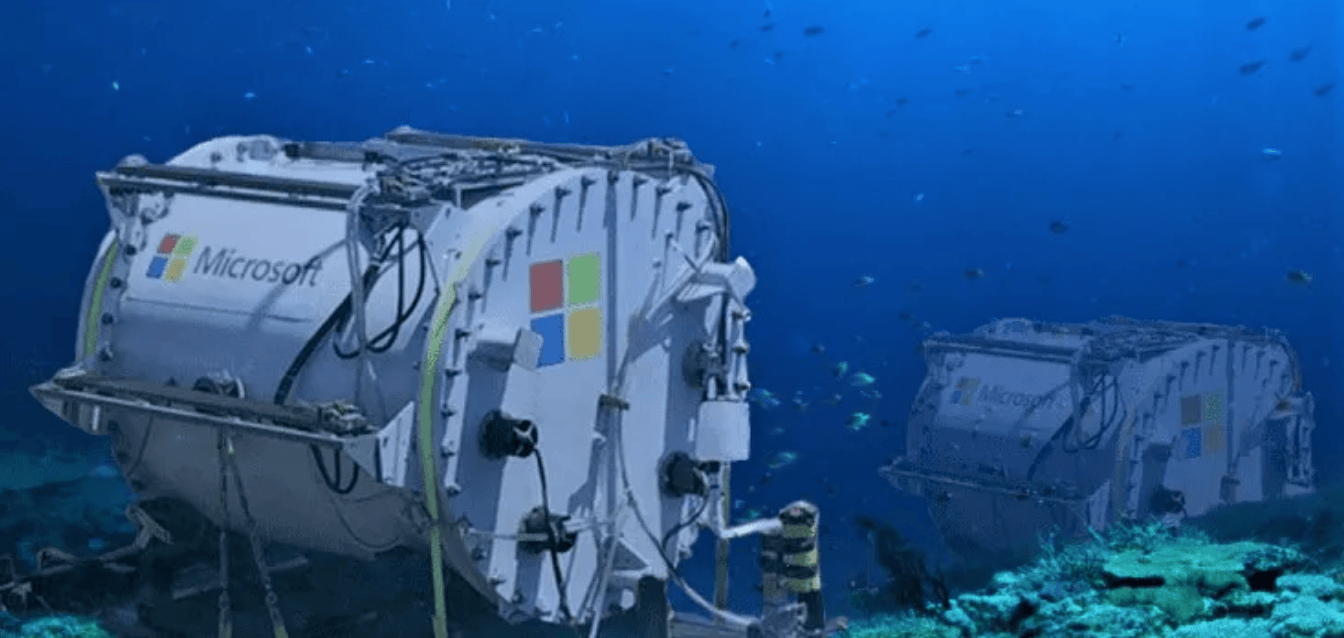
This isn’t entirely theoretical. Microsoft’s Project Natick demonstrated that sealed underwater data center modules could operate on the ocean floor. Its experimental deployment showed the technical potential of underwater computing, although it did not establish that commercial-scale subsea data centers are economically viable.
2. Electricity: Tap into the Earth’s natural energy.
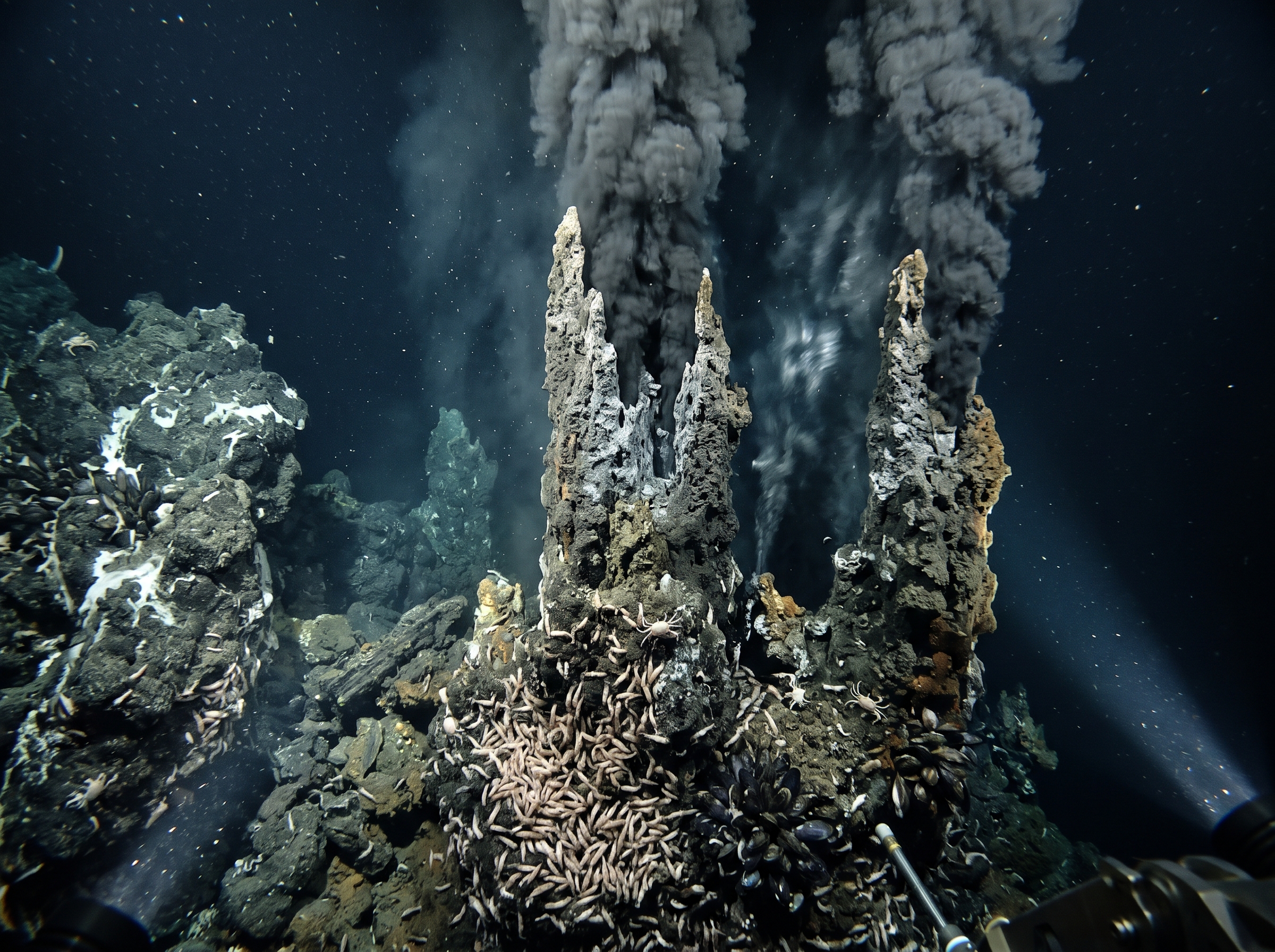
The world’s mid-ocean ridges contain hydrothermal systems where seawater circulates through the Earth’s crust, becomes superheated, and emerges through vents carrying dissolved minerals and chemicals. These systems represent extraordinary concentrations of natural geothermal heat. However, this presents an engineering problem.
Hydrothermal vents don’t produce clean, readily usable steam. Their fluids can contain highly corrosive chemicals and enormous concentrations of dissolved minerals. Some vents produce the spectacular black smoker plumes that have made these underwater environments famous, but make it unwise to place conventional turbines directly above these vents.
A more practical approach would involve a two-stage system:

- Stage One: Heat capture. A specialized heat exchanger captures super-hearted water from the vents, transferring that heat through a clean, freshwater, closed loop.
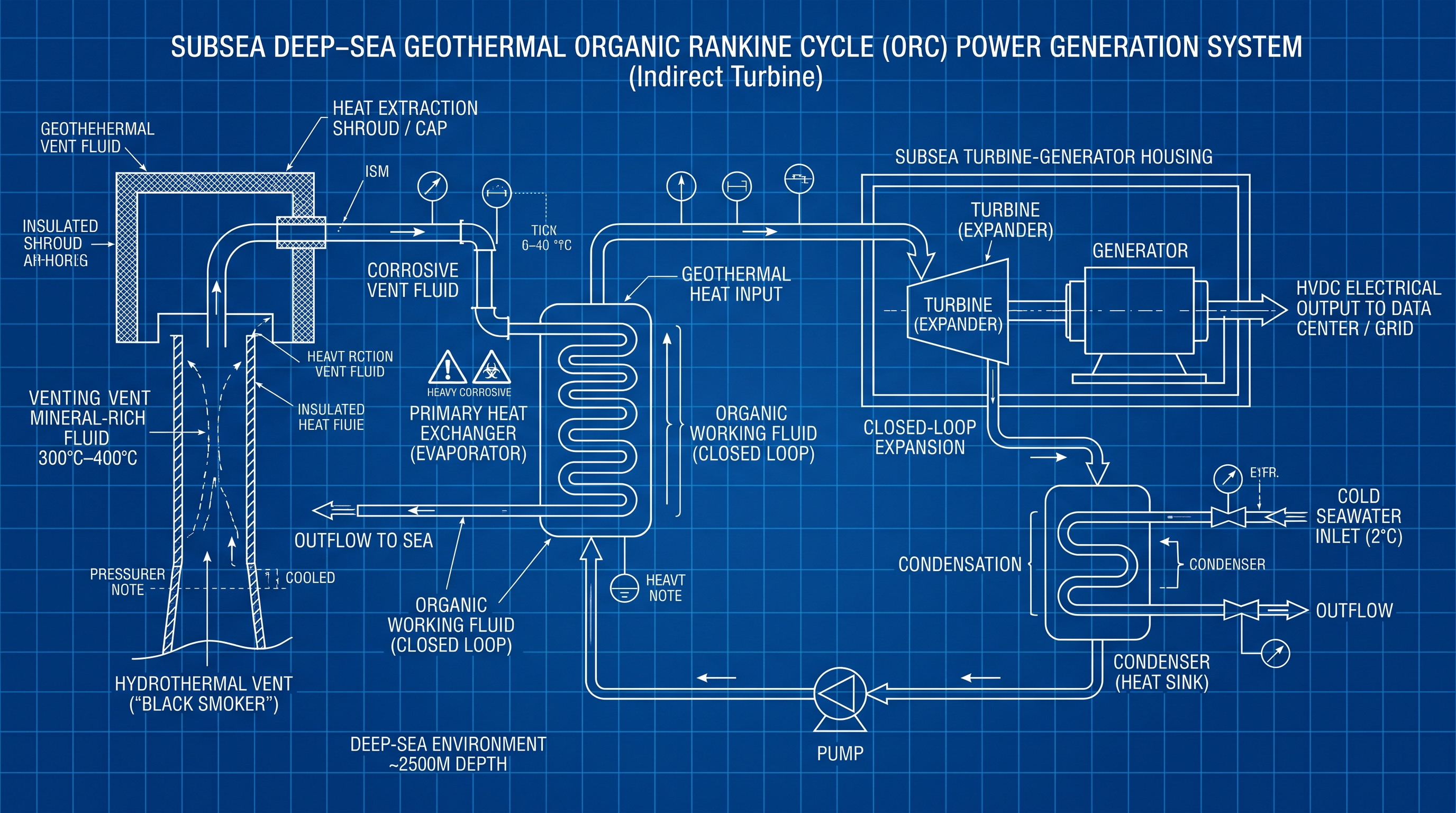
- Stage Two: Power generation. That secondary loop circulates a suitable working fluid through a turbine system, generating electricity without exposing the machinery to the corrosive vent fluids.
But unlike Peter Watts envisioning people living at those depths to maintain these facilities, Robotics, autonomous underwater vehicles and AI-driven systems will perform the physical maintenance allowing humans to supervise operations from the surface. The same autonomous-agent architecture that I envisioned years ago for enterprise monitoring could become part of the operational backbone of these facilities.
Deep-sea and orbital data centers aren’t competing ideas. They represent two different environments in which humanity could expand its computing infrastructure. Both require us to rethink conventional engineering. Both demand autonomous operations, advanced robotics, reliable power generation, and remote maintenance. Both challenge us to move beyond the limitations of traditional infrastructure. And both could contribute to the next stage of human technological development.
When I think about the future of AI, I don’t see the data center as simply another industrial building. I see it as the foundation of an entirely new technological infrastructure.
Artificial intelligence will increasingly operate autonomous systems, manage transportation, monitor industrial operations, coordinate logistics, and eventually help us establish and maintain human settlements beyond Earth. That future will require computing capacity on a scale we are only beginning to appreciate.
When I read Snow Crash, I saw a glimpse of the digital world that was coming. When I read Starfish, I saw a different possibility: an industrial infrastructure that could operate beneath the surface of our oceans.
Science fiction has a way of showing us where to look. The challenge is having the imagination and engineering ambition to get there.